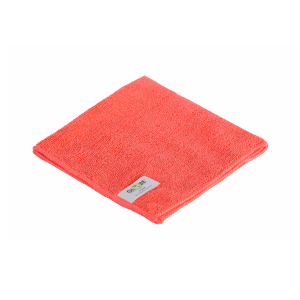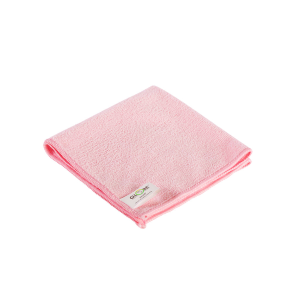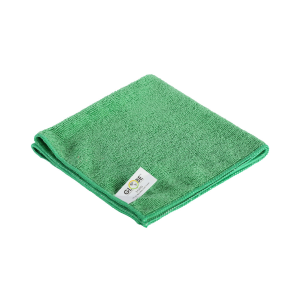
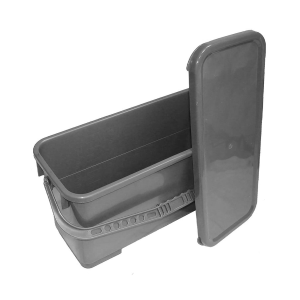
The **3295 Globe Commercial Products Microfiber Charging Bucket** is a high-capacity, durable cleaning solution designed for commercial use. Made with premium microfiber, it efficiently traps dirt and debris while its sturdy construction withstands heavy-duty cleaning tasks. The bucket features a built-in wringer for easy moisture extraction, making it ideal for janitorial and industrial environments.
If you manage commercial cleaning operations, you know that efficiency and consistency separate a passable floor from a truly clean one. One tool that directly impacts both is the microfiber charging bucket. Unlike standard buckets, a charging bucket is designed to soak and charge microfiber mop heads from the top down, ensuring even chemical distribution and faster drying. Among commercial options, the 3295 Globe Commercial Products Microfiber Charging Bucket stands out for its durability, capacity, and ease of use. It holds up to 20 mop heads, fits standard janitor carts, and features a water-tight lid that keeps chemicals contained during transport. Whether you’re cleaning offices, schools, or healthcare facilities, this bucket can streamline your workflow and improve cleaning outcomes.
Choosing the right charging bucket isn’t just about size—it’s about compatibility with your microfiber pads, chemical safety, and integration with your cleaning cart. The Globe 3295 model is built for commercial environments where reliability matters. It has a 6-gallon capacity, a sturdy handle, and a sealable lid that prevents spills and evaporation. In this guide, we’ll walk you through why a microfiber charging bucket is essential, how to use it effectively, what features to prioritize, and where it fits into your daily cleaning routine. By the end, you’ll know exactly whether the best 3295 Globe Commercial Products microfiber charging bucket wi is the right investment for your team.
Table of Contents
Why a Microfiber Charging Bucket is Essential for Cleaning Efficiency
A microfiber charging bucket isn’t just another cleaning accessory—it’s a system that enhances chemical activation and pad performance. Traditional mopping methods often leave microfiber pads under-charged or unevenly saturated, leading to streaks, residue, and wasted cleaning solution. The Globe 3295 charging bucket solves this by allowing you to soak multiple pads at once from the top down. This top-down charging ensures that chemical solution penetrates the entire pad, maximizing soil removal and reducing the need for repeat passes.
Time is a critical factor in commercial cleaning. With the Globe 3295, you can charge up to 20 microfiber flat mop heads in one cycle. That means fewer trips to the sink, less downtime between rooms, and more consistent results across large facilities. The bucket’s 6-gallon capacity accommodates standard chemical dilution ratios, so you can mix once and use across multiple pads without re-diluting. This reduces chemical waste and ensures every pad is properly charged before use.
Why Top-Down Charging Matters
Most standard buckets soak pads from the bottom up, which can lead to uneven saturation—especially in thicker microfiber pads. The Globe 3295’s design flips the process: you place pads in the bucket, add chemical, seal the lid, and flip it upside down. This forces solution through the pad fibers from all angles, ensuring full chemical activation. When flipped back, the pads are ready to use immediately, with no wringing required. This method not only saves time but also extends the life of your microfiber pads by reducing mechanical stress from wringing.
Compatibility with Commercial Cleaning Systems
The Globe 3295 is engineered to integrate seamlessly with standard janitorial equipment. It fits on most commercial microfiber trolleys and cleaning carts thanks to its compact footprint and sturdy handle. Unlike oversized buckets that don’t fit on carts, this model measures approximately 14″ x 14″ x 12″ (L x W x H), making it ideal for tight spaces. It also works with 18-inch microfiber flat mops, the most common size in commercial cleaning. If your facility uses flat mops, this bucket is likely compatible out of the box.
How to Use a Microfiber Charging Bucket for Optimal Results
Using a microfiber charging bucket correctly can double the effectiveness of your mopping routine. The Globe 3295 is designed for simplicity, but following a few best practices will help you get the most out of it. Start by selecting the right cleaning chemical for your surface—floor strippers, degreasers, or neutral cleaners all work, depending on the job. Pour the solution into the bucket, then place your microfiber pads inside. Close the lid tightly to prevent leaks, then flip the bucket upside down. Let the pads soak for 5–10 minutes, depending on soil level and chemical strength. Flip the bucket back over, open the lid, and remove the charged pads. They’re now ready for use and will release solution evenly as you mop.
Step-by-Step Usage Guide
- Prepare the Solution: Dilute your cleaning chemical according to the manufacturer’s instructions. The Globe 3295 holds up to 6 gallons, so you can mix a full batch for multiple pads.
- Load the Pads: Place up to 20 microfiber flat mop heads into the bucket. Arrange them evenly to allow solution to flow through all layers.
- Seal and Soak: Close the lid securely. Flip the bucket upside down and let it soak for 5–10 minutes. This ensures deep chemical activation.
- Flip and Use: Turn the bucket upright, open the lid, and remove the pads. They’re now charged and ready to mop. No wringing needed.
- Rinse and Store: After use, rinse the bucket with clean water to remove chemical residue. Store with the lid on to prevent evaporation and contamination.
Chemical Compatibility and Safety
The Globe 3295 is made from durable, chemical-resistant plastic that withstands frequent exposure to disinfectants, degreasers, and neutral cleaners. However, avoid using undiluted bleach or highly caustic chemicals, as they can degrade plastic over time. Always follow OSHA and facility guidelines for chemical handling. The water-tight lid prevents spills during transport, reducing exposure risk for cleaning staff. For added safety, label the bucket with the chemical name and dilution ratio when in use.
Best Practices for Long-Term Performance
To extend the life of your charging bucket, rinse it thoroughly after each use and allow it to air dry. Avoid stacking heavy items on top, as this can warp the lid or handle. Store the bucket in a cool, dry place away from direct sunlight, which can weaken plastic over time. If you notice chemical odors lingering, soak the bucket in a vinegar-water solution to neutralize residues. Regular maintenance ensures the bucket remains odor-free and ready for the next cleaning cycle.

Key Features to Look for in a Commercial Charging Bucket
Not all charging buckets are created equal. When evaluating options for your facility, prioritize durability, capacity, and safety features. The Globe 3295 excels in all three areas. Its 6-gallon capacity is large enough to handle high-volume cleaning but compact enough to fit on standard carts. The sealable lid is a standout feature—it prevents chemical spills during transport and keeps solution from evaporating between uses. This is especially important in large facilities where buckets may sit for hours before reuse.
Another critical feature is pad capacity. The Globe 3295 holds up to 20 microfiber flat mop heads, which is ideal for facilities with multiple cleaning zones or large floor areas. If you’re using smaller pads or fewer mops, you may not need this capacity, but for commercial janitorial teams, it’s a major advantage. The sturdy plastic construction resists cracks and warping, even with daily use. Unlike flimsy buckets that bend or break under heavy loads, this model maintains its shape and functionality over time.
Material and Build Quality
Look for buckets made from high-density polyethylene (HDPE) or similar durable plastics. These materials resist chemical corrosion and can withstand repeated exposure to cleaning solutions. The Globe 3295 uses a thick-walled construction that doesn’t flex under pressure, ensuring a tight seal with the lid. The handle is reinforced and ergonomically designed for easy carrying, even when the bucket is full. Avoid buckets with thin walls or flimsy lids, as they’re prone to leaks and breakage in high-use environments.
Lid Design and Chemical Containment
The lid is the most important safety feature of any charging bucket. A poor-quality lid can pop off during transport, spilling chemicals and creating hazards. The Globe 3295 features a snap-lock lid with a rubber gasket that creates a water-tight seal. This prevents leaks during transport and keeps chemicals fresh between uses. The lid also has a small vent hole to allow air pressure to equalize when flipping the bucket, preventing suction that could make opening difficult. If you’ve ever struggled with a lid that won’t open after soaking, you’ll appreciate this thoughtful design.
Compatibility with Cleaning Equipment
Before purchasing, confirm that the charging bucket fits your existing cleaning cart or trolley. The Globe 3295 measures approximately 14″ x 14″ x 12″, which fits most standard carts. It also has a low-profile design that doesn’t interfere with handle clearance. If your cart has a flat top or side shelf, this bucket can sit securely without tipping. For facilities using microfiber trolleys with built-in solution tanks, the Globe 3295 can be stored on a shelf or in a cabinet when not in use.
Top Uses for Microfiber Charging Buckets in Janitorial Work
Microfiber charging buckets are versatile tools that can be used across a wide range of commercial cleaning applications. In office buildings, they’re ideal for daily floor maintenance, ensuring that microfiber pads are consistently charged and ready for high-traffic areas. In schools, they help janitorial staff efficiently clean classrooms, hallways, and cafeterias without wasting time refilling or recharging pads. Healthcare facilities also benefit from charging buckets, as they allow staff to quickly switch between disinfectant solutions for different areas while maintaining proper chemical dwell times.
The Globe 3295 is particularly well-suited for large facilities with multiple cleaning zones. For example, in a hospital, you might use one bucket for general disinfection in patient rooms and another for high-touch surfaces in common areas. The ability to soak multiple pads at once means you can prep for an entire floor in minutes, rather than stopping to recharge pads between rooms. This not only speeds up cleaning but also ensures that every pad is properly saturated, reducing the risk of cross-contamination.
Daily Floor Maintenance in Offices
In office environments, microfiber mopping is the gold standard for maintaining clean, streak-free floors. However, without proper charging, microfiber pads can become less effective over time. The Globe 3295 ensures that each pad is fully saturated with cleaning solution before use, which enhances soil removal and reduces the need for repeat passes. For facilities with polished concrete or vinyl composite tile (VCT) floors, this bucket helps maintain shine and reduce buildup from foot traffic.
High-Traffic Areas in Schools and Universities
Schools and universities face unique cleaning challenges due to high foot traffic and frequent spills. A microfiber charging bucket allows janitorial staff to quickly recharge pads between classrooms, gymnasiums, and cafeterias. The Globe 3295’s large capacity means you can prep pads for an entire hallway or wing in one cycle, reducing downtime. The water-tight lid also prevents chemical spills during transport, which is crucial in environments where safety is a top priority.
Healthcare and Hospital Cleaning
In healthcare settings, cleaning efficiency directly impacts patient safety. The Globe 3295 charging bucket supports proper chemical dwell times, which are essential for disinfecting surfaces. For example, when using an EPA-registered disinfectant, the pad must remain wet for the specified contact time to kill pathogens effectively. The top-down soaking method of this bucket ensures that the entire pad is saturated, maximizing disinfectant coverage. Additionally, the bucket’s durable construction withstands frequent sanitization with harsh chemicals, making it a reliable tool in infection control.
Event Venues and Large Facilities

Related Products You May Like