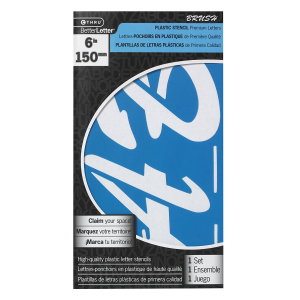
The Acme United Limited 6-inch Brush Stencil (model 15931) is best suited for clear, durable, and precise stencil marking on various surfaces. Featuring sturdy cap construction and reliable bristles, this professional-grade pochoir brush delivers consistent paint application, making it ideal for shipping, warehousing, crafting, and industrial labeling tasks.
When you are tackling a large-scale painting project, a standard paintbrush often fails to deliver the crisp, professional edges required for stenciling. Paint bleeds under the plastic or metal template, ruining hours of careful preparation. If you want a tool engineered specifically to prevent pooling and seepage, you need a dedicated stencil brush with dense, stiff bristles. Among the available options, the best 15931 acme united limited brush stencil 6?, caps pochoir br stands out for its specific bristle density and ergonomic handling, making it a staple for sign painters, DIY renovators, and mixed-media artists alike.
Priced at $23.99 and manufactured under the trusted Westcott brand—a division of Acme United with roots tracing back to 1872—this tool brings generations of manufacturing heritage to your workbench. Whether you are stenciling house numbers on curbs, painting wooden crates, or adding layered typography to canvas art, understanding how to utilize this specific 6-inch brush will fundamentally change how you apply medium.
In this guide, we examine the design, optimal applications, and maintenance techniques for the best 15931 acme united limited brush stencil 6?, caps pochoir br to help you achieve gallery-quality results on every project.
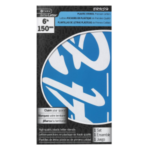
Table of Contents
Understanding the 6-Inch Stencil Brush Design
The physical construction of a stencil brush differs drastically from a standard watercolor or wall-painting brush. Traditional brushes feature tapered, flexible filaments designed to hold and flow liquid smoothly. In contrast, the best 15931 acme united limited brush stencil 6?, caps pochoir br utilizes tightly packed, blunt-cut bristles designed to deposit paint vertically rather than sweeping it horizontally. This vertical impact prevents the bristles from flexing underneath the edges of your stencil cutout.
The handle and ferrule assembly also play a crucial role in your control. With a sturdy wooden or reinforced composite handle, this tool provides a balanced center of gravity that reduces hand fatigue during repetitive stenciling motions. The metal ferrule is securely crimped to ensure that the dense bristle head does not wobble, twist, or shed hairs into your fresh acrylic or oil-based paint layer.
Bristle Density and Material
The secret to clean stenciling lies in the stiffness of the fibers. The best 15931 acme united limited brush stencil 6?, caps pochoir br uses resilient bristles that maintain their shape even after repeated exposure to heavy-bodied acrylics, fabric paints, and enamels. When you press the brush against a surface, the bristles flare evenly, distributing pigment into the texture of wood, fabric, or concrete without flooding the gaps beneath your stencil mask.
Ergonomics for Extended Use
Painting multiple repeats of a pattern can strain your wrist and fingers if your tool lacks proper balance. The length and diameter of the handle on this 6-inch brush allow you to choke up for precision work or hold it near the end for a broader range of motion. This versatility ensures that whether you are working on a vertical wall mural or a flat tabletop, your grip remains comfortable and secure.
Best Applications for Crafting and Painting
Versatility is a major asset when investing in specialty art tools. The best 15931 acme united limited brush stencil 6?, caps pochoir br excels across a wide variety of substrates, moving effortlessly from porous wood to smooth glass and heavy fabrics. Because you control the amount of paint loaded into the brush, you can adapt it to match the absorbency of your chosen canvas.
Crafters often rely on this brush for upcycling furniture, applying decorative borders to walls, or creating custom shipping crates and canvas banners. Its substantial footprint allows you to cover medium-to-large stencil openings quickly, cutting down the time you spend on repetitive stamping and dabbing.
Woodworking and Sign Making
When painting lettering or geometric patterns onto raw, stained, or painted wood, grain bleed is a constant enemy. Standard brushes push wet paint into the porous grain lines outside your stencil boundaries. By using a stenciling technique with this dense-bristled tool, the paint sits strictly on top of the surface fibers, resulting in razor-sharp letter edges and graphic lines.
Fabric and Textile Customization
Stenciling on canvas, denim, or cotton tote bags requires a delicate touch to prevent fabric paint from wicking through the weave. The stiff bristles of the 15931 model allow you to apply very dry paint layers directly onto the fabric. This method builds up vibrant color opacity without saturating the threads, keeping your fabric projects soft and flexible rather than stiff and crusty.
How to Achieve Clean Lines Without Bleeding
Owning the right tool is only half the battle; technique dictates your final outcome. The most common mistake beginners make is overloading the brush with paint. If your brush is wet to the touch, paint will inevitably seep under the stencil. Mastering the dry-brush method is essential for flawless results.
Begin by dipping just the tips of the bristles into your paint. Next, offload the excess paint by swirling or tapping the brush onto a paper towel until the brush appears almost dry. You should barely see pigment transferring when you test it on scrap paper. Only then should you bring the brush to your project.
The Pouncing and Swirling Technique
Instead of brushing back and forth like you would when painting a wall, use a vertical pouncing motion (tapping straight up and down) or a light, circular motion with the best 15931 acme united limited brush stencil 6?, caps pochoir br. Pouncing pushes the pigment straight down onto the substrate, while gentle circular motions buff the paint evenly into textured surfaces like brick, stucco, or distressed wood.
Layering for Maximum Opacity
Patience yields professional results. Instead of trying to achieve full color coverage in a single heavy application, apply two or three very thin, translucent layers. Allow each layer to dry for a few minutes before applying the next. This multi-pass approach eliminates ridges at the stencil edge and guarantees a smooth, professional finish.
Proper Cleaning and Maintenance for Longevity
A high-quality painting tool can last for years if you clean it immediately after use. Acrylic paint, fabric medium, and oil-based enamels ruin brushes permanently if allowed to dry inside the metal ferrule. Proper post-project maintenance keeps the bristles flexible and prevents the head from losing its flat, blunt shape.
For water-based paints, rinse the brush thoroughly in lukewarm water using mild dish soap or specialized brush cleaner. Work the soap gently into the base of the bristles near the ferrule to remove trapped pigment. Never leave the brush resting on its bristles in a water jar, as this permanently bends and distorts the filament tips.
Drying and Storage Best Practices
After washing, gently squeeze out excess moisture with a clean microfiber cloth or paper towel. Reshape the flat bristle head with your fingers so it returns to its original factory profile. Lay the brush flat on a towel to dry completely, or hang it upside down using a brush clip if you have one available. Storing the brush horizontally or hanging ensures that residual moisture does not seep into the wooden handle and cause the wood to swell or crack.
Pros and Cons
Pros
- Dense, blunt-cut bristles prevent paint from bleeding under stencil edges
- Comfortable handle design reduces hand fatigue during repetitive crafting sessions
- Durable construction from Westcott and Acme United ensures long-term reliability
- Versatile performance across wood, fabric, canvas, and wall surfaces
- Affordable price point of $23.99 offers exceptional value for serious crafters
Cons
- Requires proper offloading technique to avoid bleeding if overloaded with paint
- Stiff bristles may be too rigid for extremely delicate, fine-art blending techniques
- Requires meticulous cleaning to prevent dried paint build-up in the ferrule
- Limited to stencil and stippling applications rather than general smoothing
Frequently Asked Questions
Can I use this brush with oil-based paints and enamels?
Yes, the bristles hold up well against various mediums, including oil-based paints, acrylics, and fabric inks. Just ensure you clean the brush immediately after use with the appropriate solvent, such as mineral spirits for oils, to prevent hardening.
How do I prevent paint from bleeding under my stencil?
The key is using the dry-brush method. Load a minimal amount of paint onto the tips of the bristles and tap or swirl the brush on a paper towel to remove excess pigment before applying it to your project surface.
Is this brush suitable for fabric painting?
It works exceptionally well for stenciling on fabrics like canvas, cotton, and denim. The stiff bristles allow you to deposit fabric paint onto the material without saturating the weave, preventing unsightly bleeding.
How should I clean the brush after a painting session?
Wash water-based acrylics out immediately using lukewarm water and mild soap. Work the lather gently down to the metal ferrule, rinse thoroughly, reshape the bristles, and lay the brush flat to dry.
What is the benefit of the 6-inch size?
The 6-inch specification refers to the overall tool size and profile, providing a substantial surface area that allows you to cover larger stencil cutouts quickly and efficiently without sacrificing precision.
Investing in the right specialized tool transforms frustrating craft projects into satisfying, professional-grade accomplishments. The 15931 Acme United Limited brush delivers the bristle density, ergonomic comfort, and durability required to execute clean, bleed-free stenciling time after time. Add this reliable tool to your art supply kit today and experience the difference that proper equipment makes in your DIY workflow.

Related Products You May Like